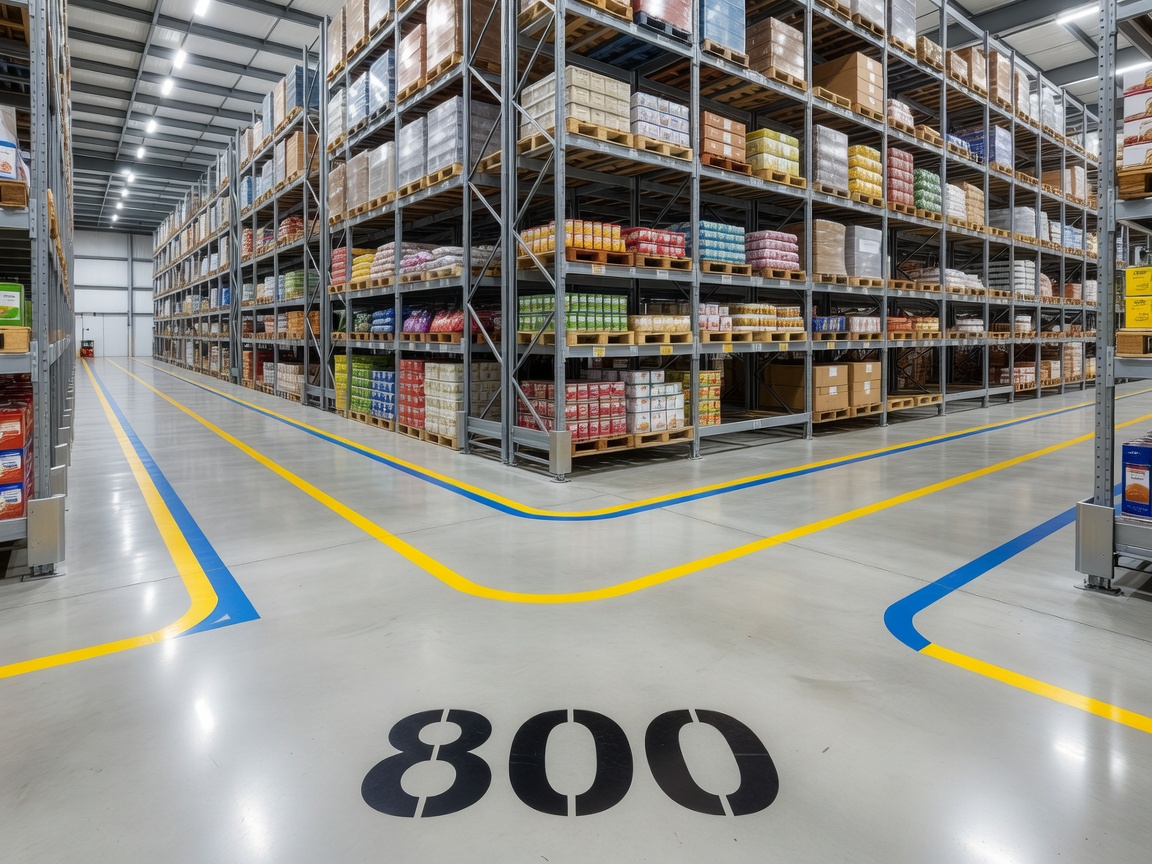
Food warehouse hygiene depends on repeatable work. The scope must match the building, stock movement, access windows and surface condition. We plan around those facts.
Scope
Our warehouse hygiene service covers floors, walls, doors, handles, dock approaches, loading areas, storage-area edges, waste zones and selected high-touch points. The working brief identifies what is cleaned, how often it is reviewed and who receives the handover. It can support a regular programme or a defined recovery visit after an operational issue.
Typical work areas
- Dry, ambient and chilled storage aisles.
- Loading bays, threshold strips and pedestrian routes.
- Doors, push plates, handles and protective barriers.
- Floor edges, wall bases, columns and racking surroundings.
- Waste holding points and equipment parking areas.
Operational considerations
Cleaning must fit around stock, vehicles, picking activity and shift changes. We identify restricted areas before work starts. Access routes remain clear where possible. Work is separated from exposed product and active handling. The agreed scope records areas that could not be reached and the reason.
Common issues
Recurring issues often include soil at thresholds, residue beside racking, contact points missed during busy shifts, blocked access to floor edges and waste zones that receive irregular attention. These are observations for correction, not assumptions about the cause. A site review determines the practical response.
Routine or one-off?
A routine hygiene programme provides planned repetition, visible ownership and a way to identify recurring conditions. It suits warehouses with regular traffic and defined service windows. One-off cleaning is more focused. It suits a handover, layout change, seasonal reset or reactive need. It may not address the operating habits that recreate the issue. Many sites use a defined initial visit followed by a smaller recurring scope.
Process overview
- Review the building, traffic pattern and service constraints.
- Agree area list, access window and communication point.
- Complete the planned cleaning scope using suitable equipment.
- Inspect the finished areas and record exceptions.
- Issue a concise handover with next actions.
Advantages and limitations
The advantage is control across ordinary warehouse surfaces without treating every area as an identical zone. The limitation is that access, stock position and active operations can restrict the work. We do not claim that a cleaning visit alone proves regulatory compliance or removes every contamination risk.
Good fit for
Food distributors, chilled logistics sites, ingredient stores, wholesale warehouses and operators that need a defined hygiene routine around real warehouse traffic.
What to prepare
Provide the site plan or area list, access rules, shift pattern, known problem areas, waste arrangements and a named operational contact. Flag cold zones, restricted spaces and any contractor induction requirements.
Related services
Pair this scope with Food-Safe Cleaning for surface-sensitive routines or Hygiene Inspections for documented checks.
Contact Service Team